PROJECTS

The new ECONICS INSTITUTE e.V. is already implementing several projects and is supported by various partners. The projects demonstrate the different areas in which the institute intends to operate. On the one hand, there are local and regional projects that have a direct impact on ecosystems. On the other hand, we want to advance the scientific discourse on the performance and working capacity of landscapes and use methodological innovations to ensure that we can learn effectively from ecosystems.

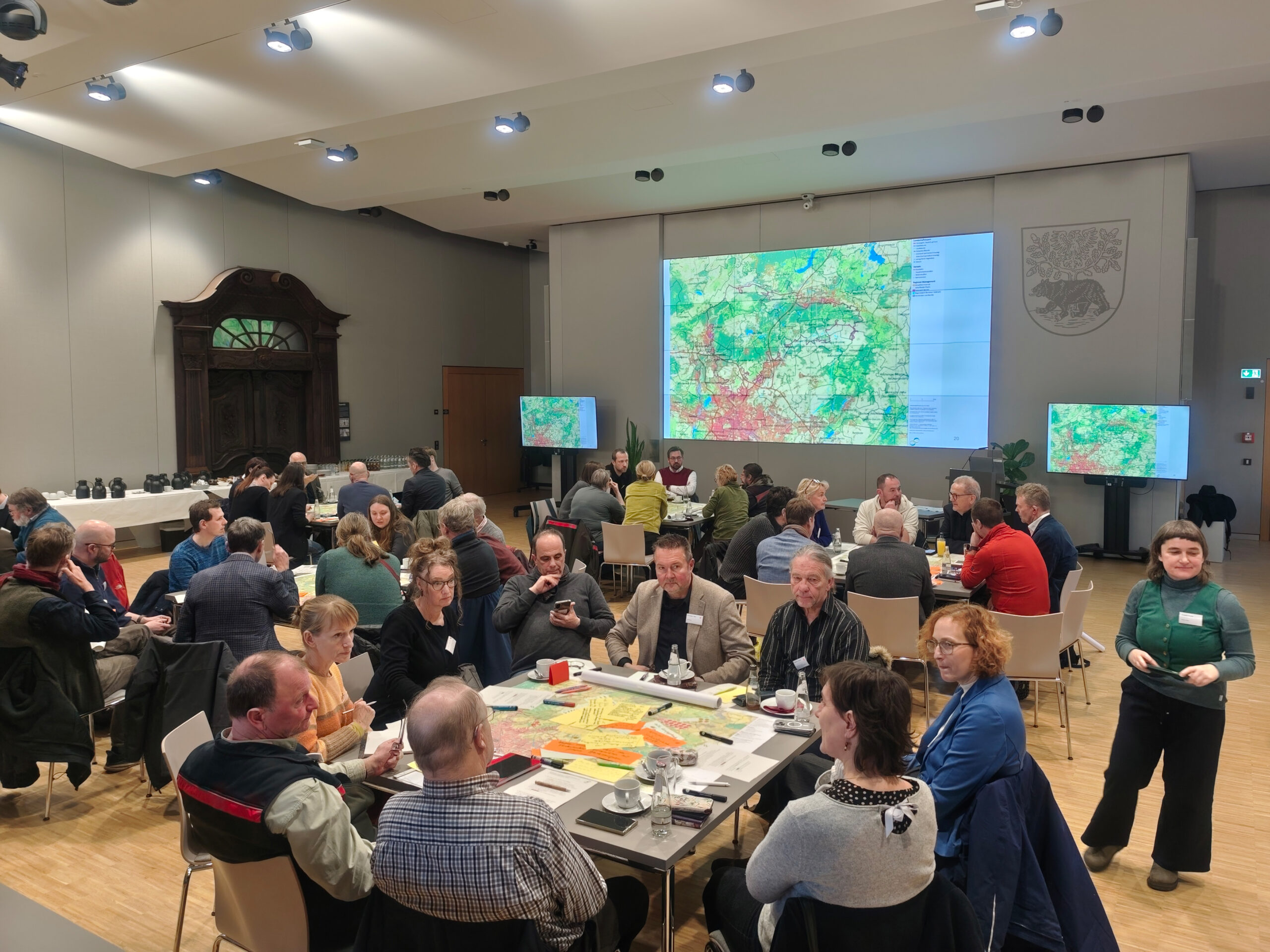
Workshop and exchange: Urban Biosphere Region Berlin-Barnim, Bernau, February 20, 2026, Photo: Pierre Ibisch

Urban Biosphere Region Berlin-Barnim

The Berlin–Brandenburg metropolitan region is characterized by dynamic land use and development processes, while at the same time boasting a high diversity of landscapes and essential ecological functions. The study examines whether, and under what conditions, an “Urban Biosphere Region Berlin–Barnim” would be meaningful, achievable, and beneficial — particularly with regard to urban–rural relations, nature conservation, climate adaptation, and sustainable regional development.
Learn more »
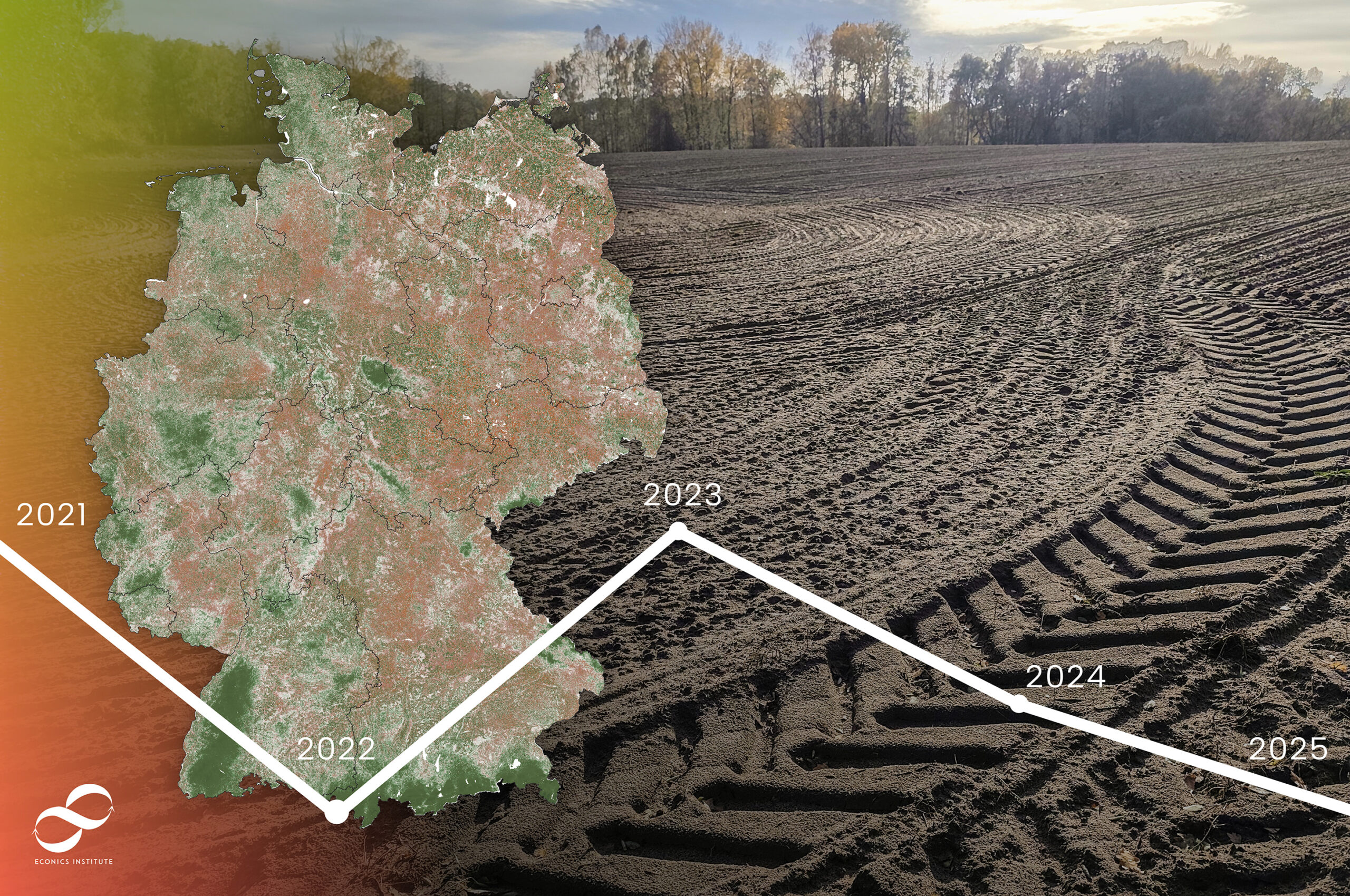
Green-Moist-Cool Index, Germany 2018-2024, ECONICS INSTITUTE

Green-Moist-Cool Index

With the Green-Wet-Cool Index, the ECONICS INSTITUTE is developing a new scientific basis for assessing the functional working capacity and resilience of landscapes. The index combines vegetation vitality, thermal stress, and precipitation conditions into a consistent indicator of the climate-regulating performance of ecosystems and highlights the influence of different forms of land use. For the first time, it is now possible to identify at the national level which landscapes are particularly productive and which regions have become hotspots for heat and drought due to intensive use.

Learn more »
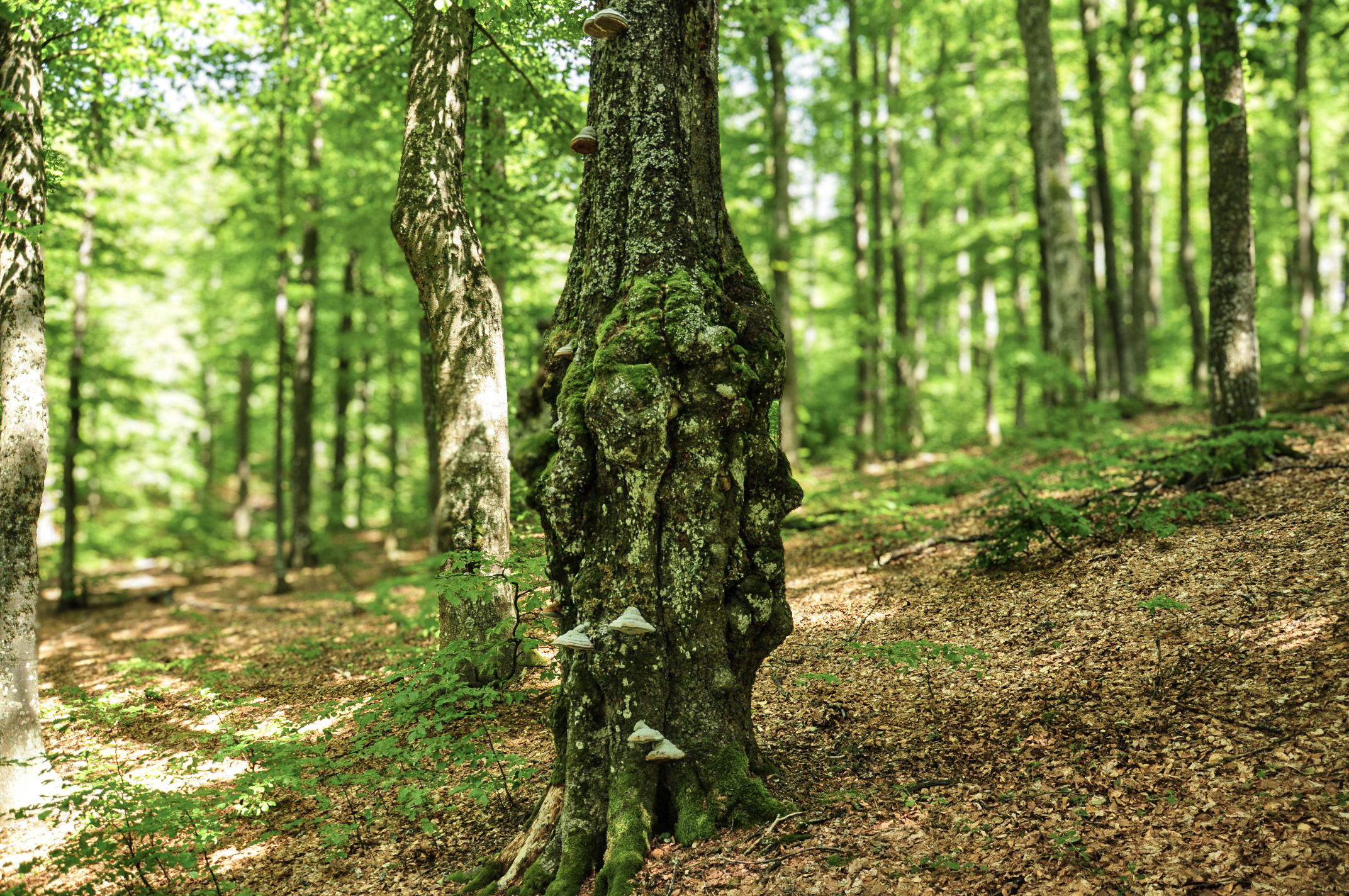
Old beech tree, Semenic National Park, Romania, UNESCO World Heritage site, 2025

Evaluation of monitoring data from UNESCO World Heritage Beech Forests

Beech forests represent a significant share of Germany’s biodiversity, but individual trees older than 200 years and larger contiguous areas of beech forest are very rare. Remnants of near-natural lowland beech forests now only exist in north-east Germany, nowhere else in the world. Hence, by international comparison, the beech forest belongs to the critically endangered habitats of our continent, even though the beech as a species is not endangered at all. German component parts of the UNESCO world heritage include selected forest areas of four National Parks, Hainich in Thuringia, Kellerwald-Edersee in Hesse, Jasmund in Mecklenburg-Western Pomerania, as well as Grumsin Forest in Brandenburg. These represent the most valuable remnants of large-scale undisturbed beech forests in Germany.

Learn more »
Econics Institute, microclimate data logger in the forest

Schöneberg Wild Forest

The approximately 400-hectare Schöneberg Wild Forest area in the Lower Oder Valley National Park has been under strict protection since 1995. Like many forests in Brandenburg, the forest suffers from heat and drought stress, exacerbated by the edge effects of the surrounding open landscape. The area offers a rare opportunity to observe the long-term self-regulation of forest areas and to gain insights for sustainable forest management in times of climate crisis. The aim of the project, which has been funded by the Michael Otto Environmental Foundation since 2025, is to comprehensively document the “pronaturation” of this forest area.

Learn more »
Scroll to Top