ECONICS INSTITUTE

For sustainable ecosystems and socioecological management with and in nature

Founded in 2025, ECONICS INSTITUTE e.V. is a think tank for ecosystems. In terms of content and subjects, it builds on the previous work of the Centre for Econics and Ecosystem Management at Eberswalde University for Sustainable Development. It brings together applied scientific and practical expertise on dealing with ecosystems in the climate crisis. 

The ECONICS INSTITUTE e.V. stands for the “econic” approach, i.e., learning from nature’s economy for sustainable human economic activity. Our conceptual foundation is a holistic view of the landscape as a complex socio-ecological system. We want to contribute to the functioning of specific ecosystems.

The headquarters of the non-profit association is located in Chorin in the UNESCO Schorfheide-Chorin Biosphere Reserve.

Projects

ECONICS Green-Moist-Cool Index

The ECONICS Green-Moist-Cool Index is a composite index for ecosystems. Similar to economic indicators, and based on real measured data, it enables a systematic assessment of the working capacity of our landscapes — and their resilience for the future. It cleary shows that the green-moist-cool triad reinforces itself through positive feedback loops: where it is cooler and moister, green vegetation can thrive, which in turn retains water more effectively and can cool its surroundings even at higher temperatures.

Socialecological forest management

We humans, today and in the future, need the forest for a good life. The social ecological approach does not rule out the management of forests; on the contrary, it makes it indispensable–treating all ecosystem services as potentially scarcening resources. In doing so, the triad applies that forest management should be ecosystem-based, ethically reflected, and must contribute to the short- and long-term well-being of people.

Schöneberg Wild Forest

The Schöneberg Wild Forest is a forest area covering around 400 hectares in northeastern Brandenburg (Uckermark district). Forests planted decades ago have been dying for several years as a result of extremely hot and dry summers. But the forest is already growing again. With the support of the Umweltstiftung Michael Otto, we are investigating spontaneous regeneration in order to gain insights for sustainable forest management in times of climate crisis.

Monitoring of UNESCO World Natural Heritage Beech Forests

On behalf of the German Federal Ministry for the Environment and in collaboration with the transdisciplinary company agrathaer, we are evaluating the monitoring data for the UNESCO World Natural Heritage beech forests in Germany. Grumsin, Hainich, Jasmund, Kellerwald, and Serrahn are part of a European World Heritage Site. What can we learn from them?

News and Events

The ECONICS Green-Moist-Cool Index 2026, presented on 14 July 2026 by the ECONICS INSTITUTE and NABU, shows, where ecosystems in Germany are particularly high-performing and where they urgently need restoration.
Presentation of the ECONICS Green-Moist-Cool Index 2026

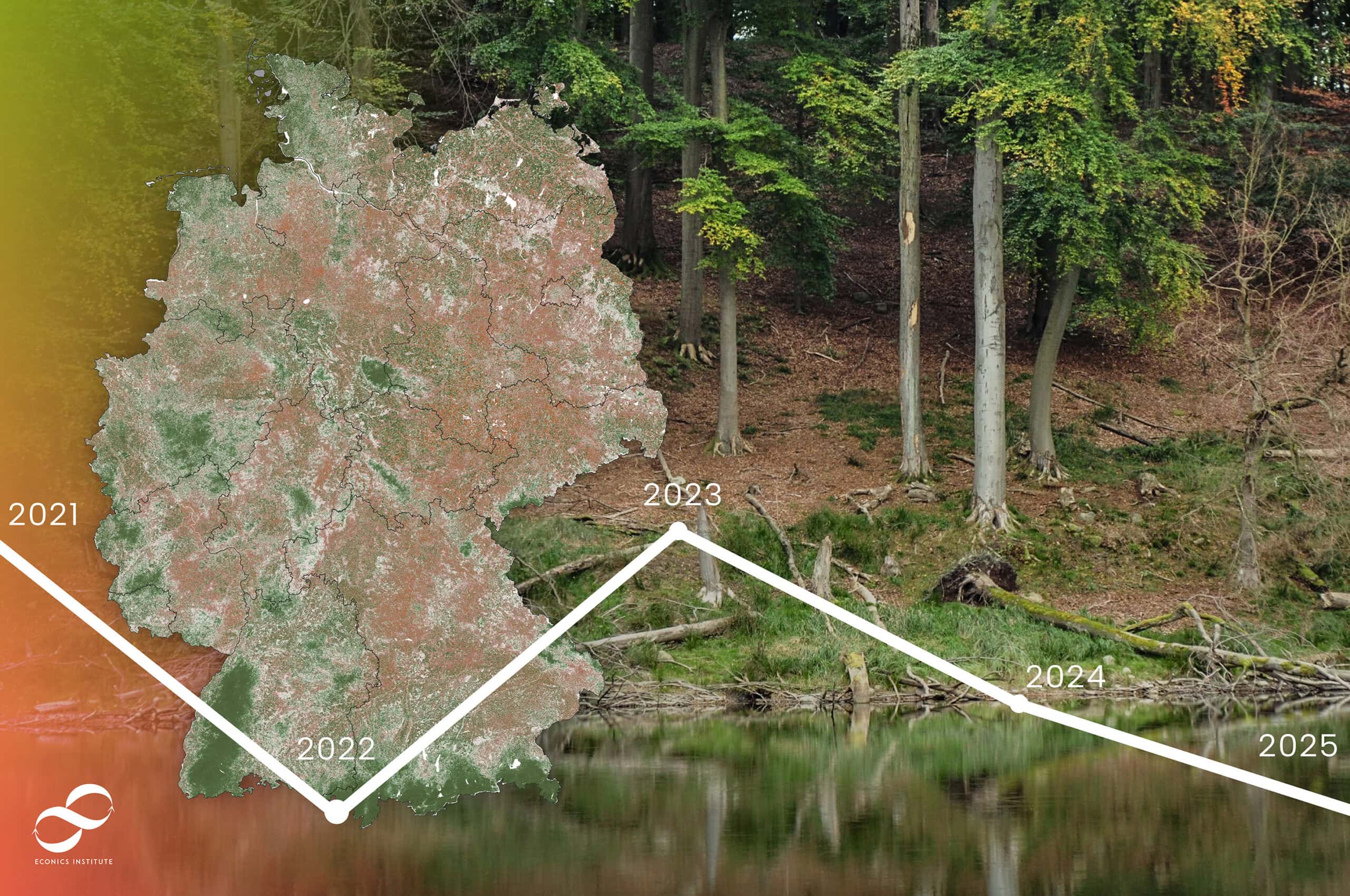
Germany is losing its natural air conditioning: The ECONICS Green-Moist-Cool Index 2026, presented today by the ECONICS INSTITUTE together with NABU, shows, where ecosystems are particularly high-performing and where they urgently need restoration, based on environmental data. The five-year trend for the years 2021 to 2025 is alarming: The working capacity of many ecosystems is diminished.
Read More »
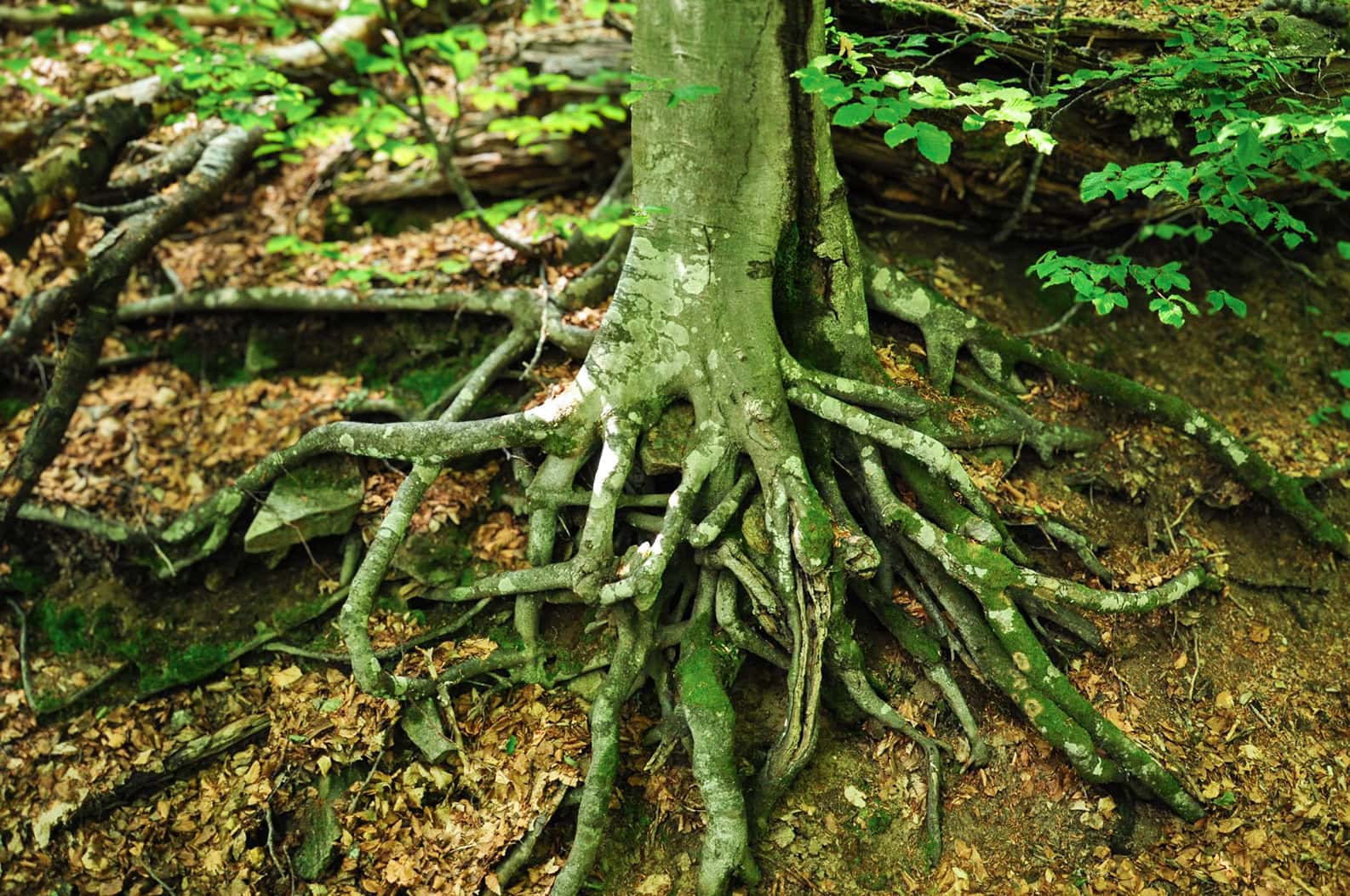
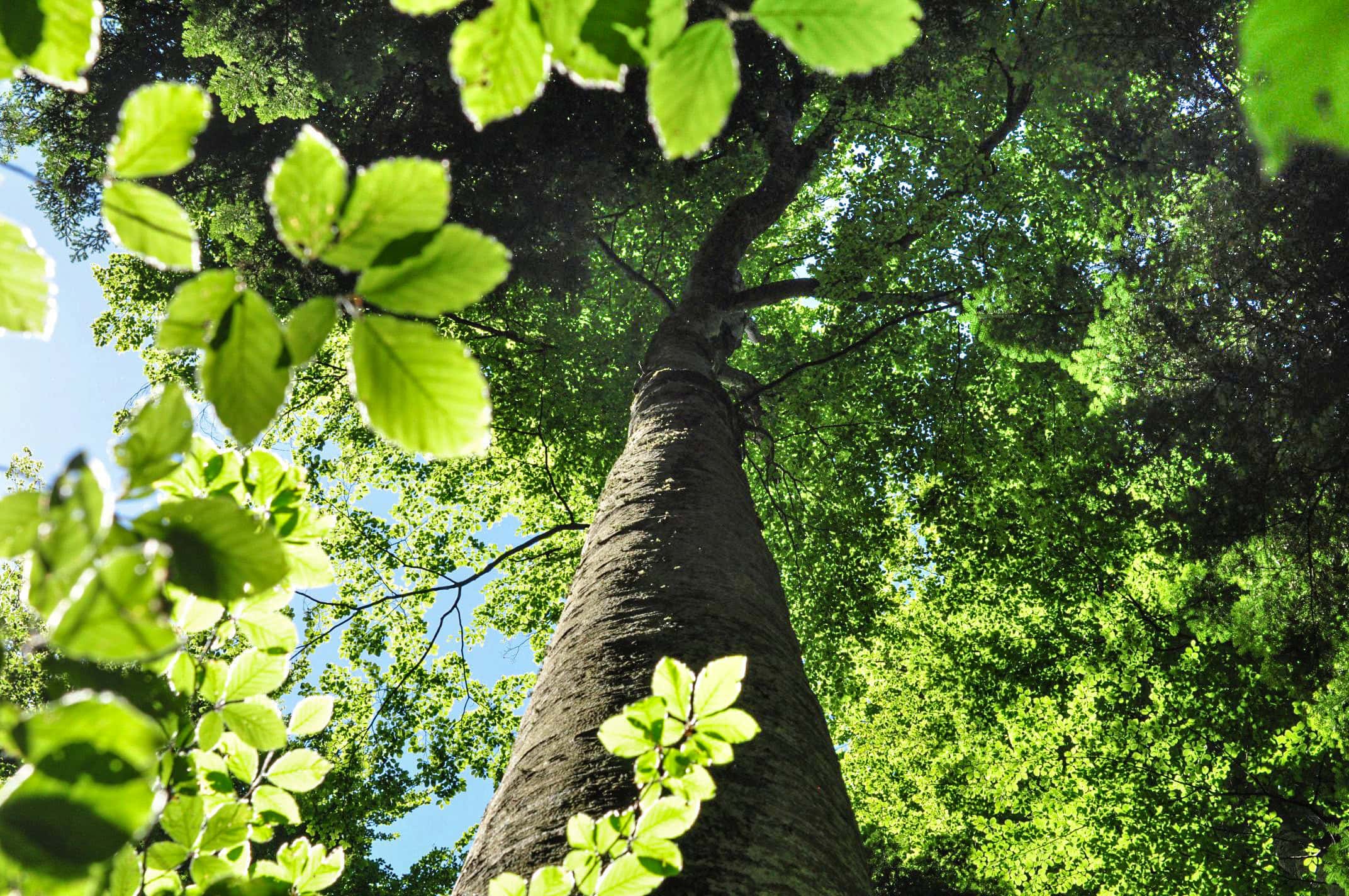
Mature forest ecosystems buffer meso- and microclima and help retain water in the landscape. Photo: Christoph Nowicki.
Greener, moister, cooler: Nature in Germany is working hard — and we can support it in doing so

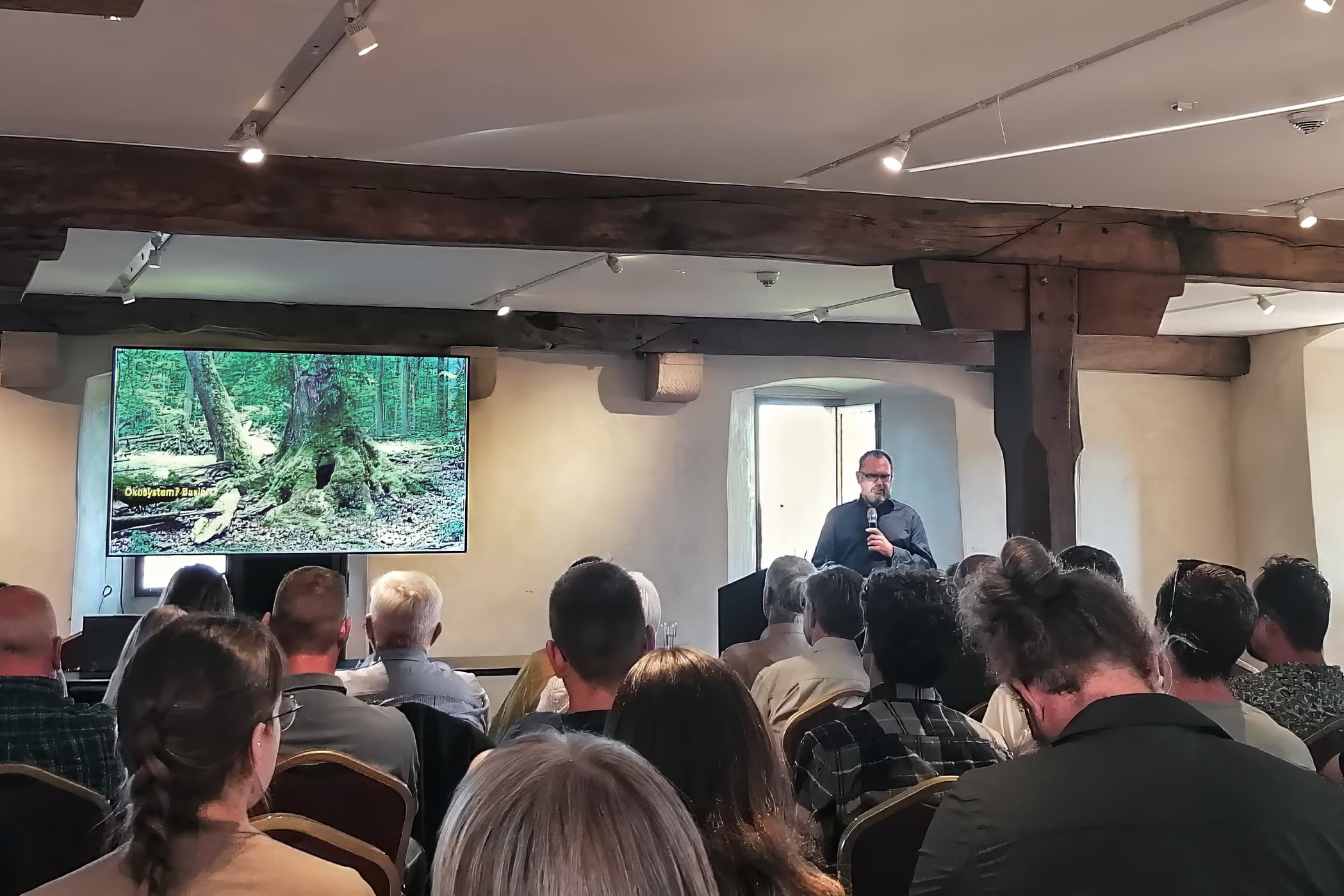
On 4 July 2026, Prof. Ibisch spoke on the topic ‘Greener, wetter and cooler: Nature in Germany needs to do more (and it can, if we support it)’. The talk was part of the GreenPulse festival, organised by the elobau Foundation, a partner of the Social-Ecological Forest Management study programme. Nature is not our service provider, but it does work for us. The good news is that we can help it do so.

Read More »
Pluriversum: Presenters Alberto Acosta and Sandra Weiss with guest Patricia Gualinga and the band Grupo Sal, 29 June 2026, HNEE Eberswalde, Photo: Pierre Ibisch
Pluriversum – Pathways to a Just Future

On 29 June, the Socialecological Forest Management study programme, in cooperation with the ECONICS INSTITUTE invited a whole pluriverse to the Eberswalde Univerisity for Sustainable Development. The evening, featuring Ecuadorian economist and politician Alberto Acosta, journalist Sandra Weiss, and GRUPO SAL, explored the question how we might live within the world, rather than off of it.

Read More »
UNESCO World Natural Heritage Beech Forests, Photo: Christoph Nowicki
15 Years of UNESCO World Natural Heritage Beech Forests in Germany

To mark the 15th anniversary of the UNESCO World Natural Heritage Site “Ancient and Primeval Beech Forests of the Carpathians and Other Regions of Europe”, a specialist conference will take place in Eberswalde in September 2026. The event brings together experts from research, conservation management, policy and practice to discuss current developments surrounding Europe’s extraordinary beech forest ecosystems.

Read More »
First Forest-Alliance conference in Meiningen, 27 April 2026, ©Wald-Allianz
The First Conference of the Forest-Alliance

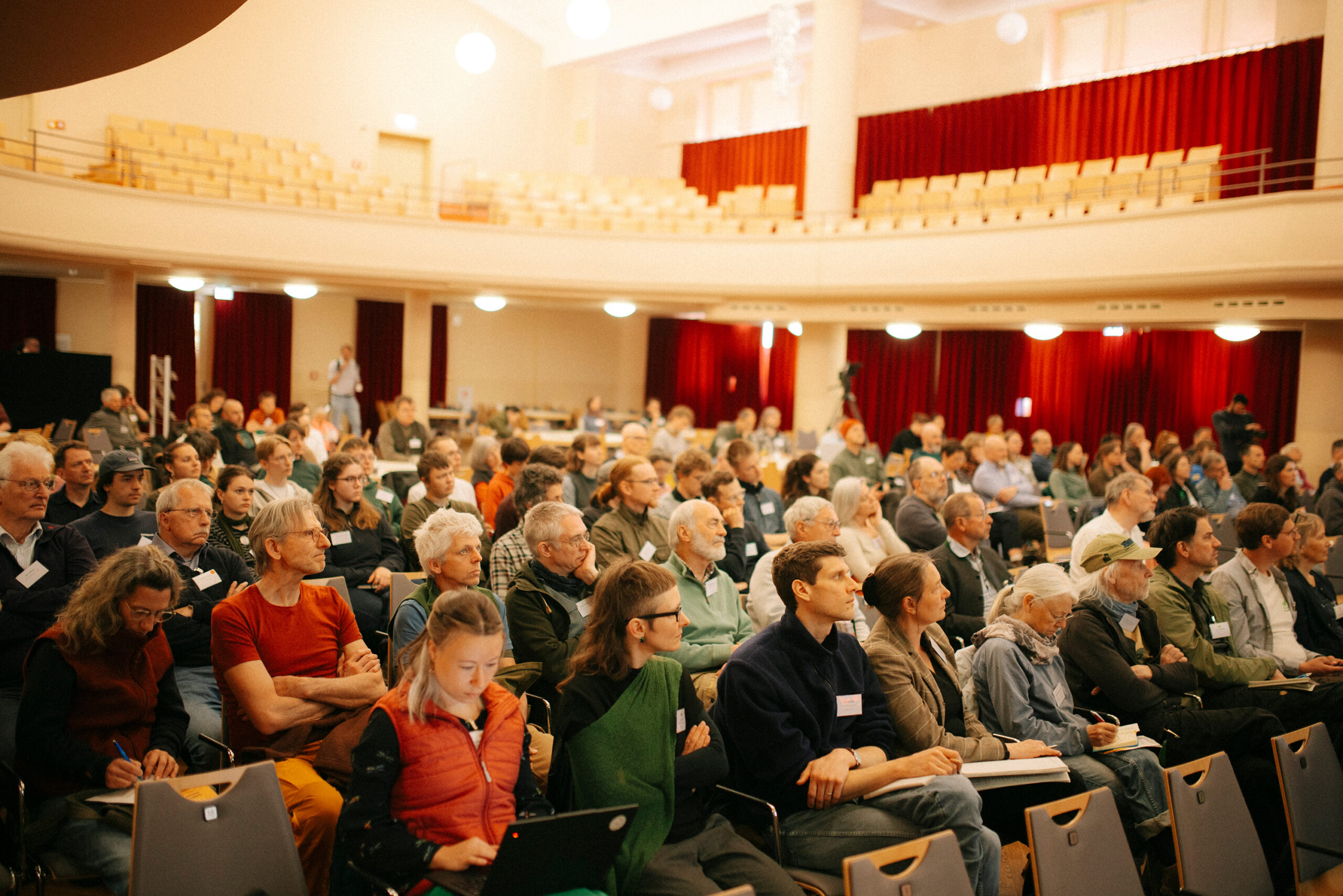
The first conference of the Forest-Alliance (Wald-Allianz) brought together over 150 people from forestry practice, science, politics, and civil society in Meiningen, Thuringia. The focus was on exchanging experiences and learning from one another. Just as in the nested forest ecosystem, positive feedback loops emerge in this inspiring network for social-ecological forest management!

Read More »
Scroll to Top